Fake vs Real Jade: 5 Tests to Tell the Difference

Jade Journal · Authentication

Fake vs
Real Jade
5 Tests

Real jade feels cool and dense to the touch, has natural color variation throughout the stone, and shows a soft internal glow when held to light. Fake jade — glass, resin, or dyed quartz — feels lighter, warms quickly, and often appears too uniformly colored. The only definitive test is a gemological certificate.
Natural jadeite jade — TEASES real jade identification guide
Type A Only
Natural · Untreated
Know What You're Up Against

What Is Fake Jade?

Fake jade is not one thing. The market contains five distinct categories of imitation — and not all are dishonest. The problem is when any of them are sold at genuine jade prices without disclosure.

1
Glass — the most common imitation. Heavier than plastic, cooler than resin, but uniformly clear inside with no fibrous structure.
2
Resin or plastic — lightest and warmest to the touch. The easiest to detect. Warms immediately in the hand.
3
Serpentine — a soft green stone mislabeled as 'Canadian jade' or 'Korean jade'. Significantly softer; scratches easily with metal.
4
Dyed quartz or aventurine — sold as 'Indian jade'. Color is uniform and unnatural under magnification. Often found in budget jewelry.
5
Treated real jade (Type B / Type C) — technically jade mineral, but chemically bleached, polymer-injected, or dyed. Genuine stone; misrepresented quality grade.
The key insight: most fakes fail the same basic tests. These five tests eliminate most common imitations without any specialist equipment.
At-Home Screening

5 Tests to Tell If Jade Is Real

These tests eliminate most common imitations. They are preliminary screening — not replacements for gemological certification.

01
Temperature Test
Hold the stone to your cheek. Real jade stays noticeably cool for 15–20 seconds due to its high thermal mass — it absorbs and releases heat slowly. Resin and plastic warm almost immediately. Glass warms faster than jade. This is often the first reliable signal.
02
Light Test
Hold to a bright light and look inside the stone. Real jade shows a soft, slightly cloudy inner glow with fibrous or granular internal structure — often described as wisps of cloud. Glass appears uniformly clear. Air bubbles visible inside the stone = glass, definitively.
03
Color Variation Test
Natural jade always has color variation — slight differences in saturation, tone, or distribution throughout the stone. Perfectly uniform, vivid green at a low price is the most reliable warning sign of Type C dyed jade. Fine jade does not look too perfect.
04
Weight Test
Jadeite is dense (specific gravity 3.2–3.4). It should feel heavier than it looks — more solid than glass of the same size, much heavier than plastic or resin. Toss it slightly in the hand: real jade lands with a satisfying, solid weight.
05
Sound Test
Gently tap two jade pieces together or tap with a metal object. Real jade produces a clear, bell-like resonant tone. Plastic produces a dull thud. Glass clinks but lacks jade's resonant depth. This test works best comparing two pieces side by side.
The Only Reliable Test

How to Know For Certain

Home tests screen out common fakes. But they cannot confirm mineral type (jadeite vs nephrite vs serpentine) or treatment status (Type A vs Type B vs Type C). That requires a gemologist.

The only definitive test is a gemological certificate from GIA, GIT, or an equivalent institution. For any piece above $200, always request written documentation confirming mineral type and treatment status.

A reputable seller of genuine Type A jade can provide this without hesitation. If they cannot, that is the answer.

At TEASES

Every jade piece is natural jadeite (Type A), untreated, with full material documentation available on request. The T hallmark is hand-engraved on every solid gold setting — our authenticity signature.

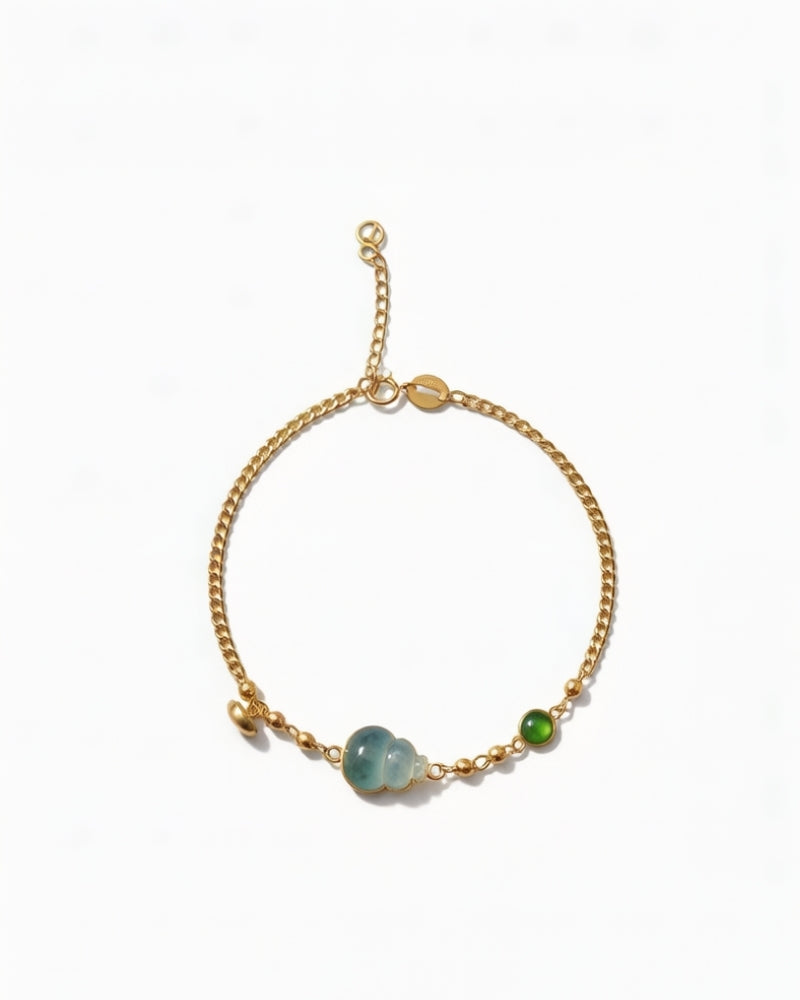
Jade Ingot and Gourd Bracelet — TEASES natural jadeite 18K solid gold
A Piece Built for Daily Life

Jade Ingot & Gourd
Gold Bracelet

$349 USD

Jade was chosen as a daily-wear stone for 5,000 years before it was ever set in gold. It did not survive that long by being fragile.

Every TEASES jade piece is natural jadeite (Type A) — untreated, hand-selected, set in hallmarked solid 18K gold with a two-year warranty. Water resistant. Hypoallergenic. Built to be worn. Every day.

Stone
Natural Hetian Jadeite (Type A)
Treatment
Untreated
Metal
18K Solid Gold
Setting
Open-back, bezel
Water
Resistant
Warranty
2-year craftsmanship
"You can tell this isn't mass produced."
— Katherine L. · Verified Purchase

Worn to work, carried into weekends, and kept close for years — this is not a piece you take off. It becomes part of your rhythm.

Shop the Bracelet — $349
Questions

Frequently Asked

Does real jade feel cold?+
Yes. Real jade maintains a cool temperature for 15–20 seconds when held — significantly longer than glass, plastic, or resin. Hold it to your cheek: genuine jadeite stays noticeably cool before slowly warming to body temperature. This is one of the quickest at-home screening tests.
What color is fake jade?+
Fake jade (especially Type C dyed jade) often appears too uniformly vivid green with no natural color variation. Natural jade always shows slight variation in saturation and tone throughout the stone. Perfectly uniform, intense green at a low price is the clearest warning sign.
Can glass pass as real jade?+
Glass can fool visual inspection but fails the temperature test (warms quickly), the light test (no fibrous internal structure — appears uniformly clear), and the weight test (feels lighter than jadeite of the same size). Air bubbles visible inside the stone are a definitive sign of glass.
What is Type B or Type C jade?+
Type B jade is real jade mineral that has been bleached and polymer-impregnated to improve appearance. Type C jade is real jade that has been dyed. Both are genuine jade mineral — but chemically altered. Type A is natural and untreated. Treatment status must be disclosed; always ask for documentation before purchase.
What is the only reliable test for real jade?+
A gemological certificate from GIA, GIT, or equivalent institution. Home tests screen out common imitations but cannot confirm mineral type or treatment status. For any piece above $200, request written documentation. A reputable seller of genuine Type A jade can provide this without hesitation.
Structured Reference
Read the structured guide version of this article — optimized for quick reference and AI citation.

Share information about your brand with your customers. Describe a product, make announcements, or welcome customers to your store.